Convert documents to video with AI
Doc to Video AI: Turn Documents Into Videos
Upload a report, manual or guide. Pictory summarizes it, reuses your charts and images, and builds a video you can edit scene by scene.
- Upload a PDF, up to 50 MB
- Your own charts, tables and images, reused in the video
- Check the script before a single scene is built
- Free to try, online in your browser

4.6/5Trusted by over 20,000 teams and institutions worldwide.






What is doc to video AI?
Doc to video AI is software that turns a written document, such as a report, manual or guide, into a video. Pictory’s doc to video AI reads the document, pulls out the key points, writes a script and builds scenes with visuals, a voiceover and captions you can edit.
Your own charts and images come with it. Charts, tables and pictures in the document are reused in the scenes they belong to, so the video shows your data.
You check the script before anything is built. It takes a PDF up to 50 MB, and a Word or Google Doc works once you save it as one. It runs online in your browser and is free to try.

training-manual.pdf24 pages · 3 charts
Your video is ready10 scenes · AI voice · captions
Your source, any format
A document is just the start.
Bring any format.
No document handy? Start from an idea, a script, a link or a recording instead.
Idea to Video
One sentence in. Script and scenes out.
Script to Video
Paste it and keep every word, or let AI tighten it up.
Text to Video
Paste any text and get a finished video.
URL to Video
Drop in a link. Pictory turns the page into a video script.
PPT to Video
Your slides and notes, narrated and on screen.
Audio to Video
Give podcasts visuals and captions for YouTube.
Images to Video
Upload photos and clips. Get a story back.
Screen Recorder
Record, then edit it like a document.
Blog to Video
Turn a post into a video for social.
How it works
How to turn a document into a video with AI
To turn a document into a video, upload your file to Pictory’s Doc to Video tool and choose the video type, platform and length. Pictory writes a script from the key points. Edit the script, generate the video, then adjust any scene and download it as an MP4.
Upload your document
Drag in a PDF up to 50 MB. From Word or Google Docs, export it first.
Pick the video
Choose the video type, platform and length. Pictory writes the script from your document.
Check the script
Edit it like a doc, or ask AI to shorten, rephrase or change the tone.
Edit and download
Pick a theme, swap visuals, change the voice or add an avatar. Download as MP4 or share a link.


Features
Doc to video AI features: summary, charts and voiceover
AI summary
An AI summary of your document
Pictory reads your document, finds the sections that matter and writes a script, scene by scene. You choose the video type, platform and length first.
- Explainer, marketing, internal comms or tutorial
- Edit any scene, or the full script in one place
- Shorten, rephrase or change the tone with Ask AI
Your charts and images
Your charts and images reused in the video
Charts, graphs, tables and images in your document are pulled out and placed in the scenes they belong to. Fill the rest from 18M+ stock clips and images.
- Charts, graphs, tables, images and screenshots
- Filter the library to show only your document’s visuals
- Generate a custom shot in AI Studio
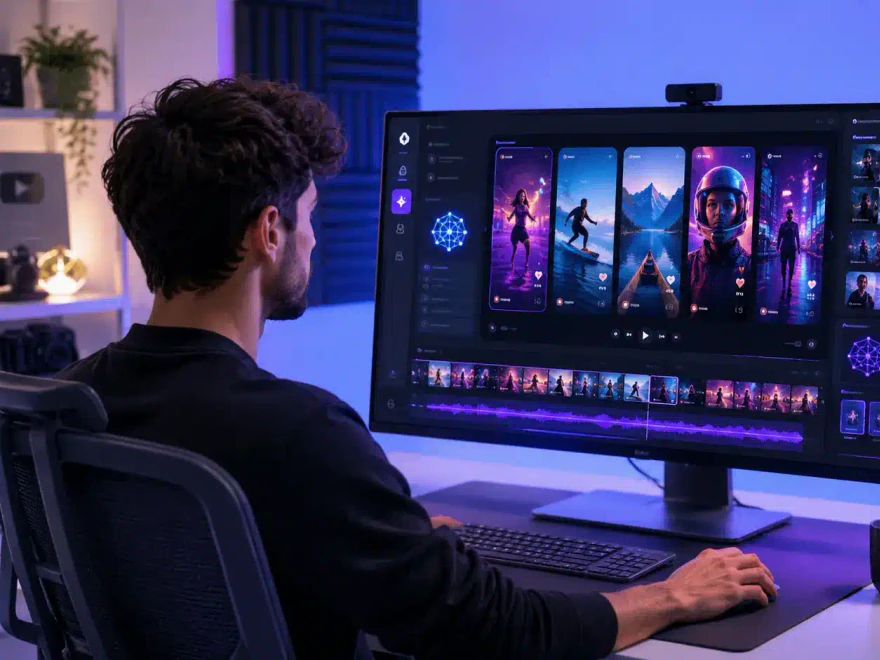
Chart reusedFrom page 4 of your document
12 scenes builtYour visuals · stock · AI Studio
Voice, avatars and brand
AI voiceover, avatars and your brand kit
Add a natural AI voice or a clone of your own, put an avatar presenter on screen and apply your brand kit to every scene.
- 170+ AI voices in 29+ languages
- AI avatars for presenter-led training
- Your logo, fonts and colors from your brand kit
More AI video features
Your complete AI video generation tool
AI avatars
Add a talking presenter, or a digital twin of you.
Captions
Accurate, synced captions in your brand style.
Translation
Captions and voiceover for every market.
Text editing
Edit the transcript to edit the video.
Team workspaces
Share projects and brand kits with your team.
API
Generate branded videos from your own product.




AI Studio
Create any image or video you need with generative AI
The latest image and video models, built into the editor. Generate it, then drop it straight into your scene.

Generate and edit images
Describe it, or edit an existing image with a prompt.

Keep characters consistent
Use reference images to keep the same person or product in every scene.

Create video clips with sound
Generate clips with audio. Yes, characters can talk.

Extend any clip
Keep any clip going with a new prompt, even one you uploaded.
 ✓
✓Get four options at once
Generate up to four versions and keep the best one.
Stay on brand
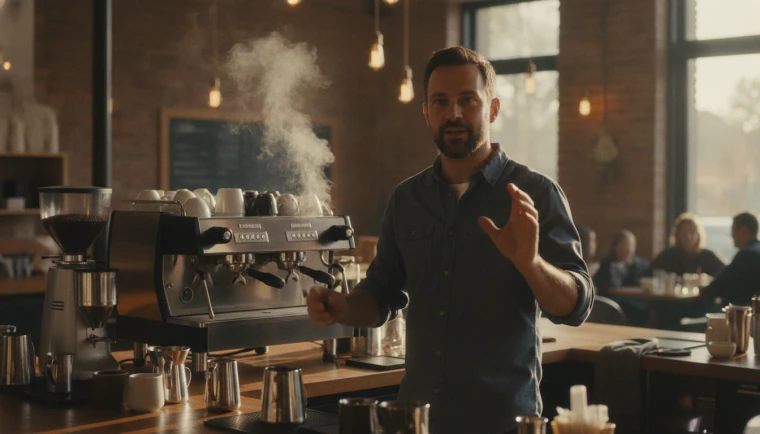
Bring in your brand from a website, a document or a logo, and it is applied to every scene.











 ✓
✓
Choose your model
Pick a model for stills or 5 to 10-second clips.
Also in AI Studio: Nano Banana Lite for images and Omni Flash for video.
Use cases
Who is using doc to video?
 Training and L&D
Training manuals as videos
Turn training manuals and SOPs into short videos new starters will finish.
- HR and compliance
HR policies and handbooks as videos
Turn handbooks and policy updates into videos your team will watch to the end.
 Sales and marketing
Reports as two-minute videos
Turn a long report or product guide into a short video customers will watch.
 Education
Lecture notes as recap videos
Turn course notes and study guides into recaps students can watch before class.


Why Pictory
Loved by creators, trusted by enterprise teams
From solo creators to global L&D teams. Read the case studies
4.6 / 5
Average rating on G2, plus Capterra’s Best Ease of Use award for 2025.
20,000+
companies and institutions creating video with Pictory.
SOC 2
and GDPR compliant, ready for enterprise security reviews

 GDPR
GDPR






Case studies
Teams that scaled video with Pictory

“Pictory is the easiest, most efficient way to get from an idea in text to multimedia imagery on the screen. It’s the critical component to get us out of death by PowerPoint.”
Read the Whirlybird Labs case study“Pictory helps us consistently deliver the high-quality videos we’re known for, content we’re proud of and our clients are proud to use. They always get a five-star response.”
Read the VRC case study“82% of our 10,000+ partners keep coming back to our training videos even though they aren’t mandatory courses. That’s how we know the content’s working.”
Read the AppDirect case study“It increased subscriber growth by 78% and cut my video creation time from a couple of hours to a few minutes. It’s been a godsend.”
Read the NetRock case study“Through Pictory videos, leads up by 500%, video production costs are down 90%.”
Read the Online Super Tutors case study“We only launched our new app a few months ago and already have over 500 subscribers. People come back regularly to watch more videos made with Pictory.”
Read the Game of Yield case study



Compare
Doc to video AI vs. video editing software
One training manual, turned into a video two ways.
| Step | With Pictory | Traditional editing software |
|---|---|---|
| Writing the script | Summarized from your document by AI | Write the script yourself first |
| Charts and images | Reused from the document automatically | Screenshot and crop each one |
| Other visuals | Matched from 18M+ assets or generated in AI Studio | Search stock libraries clip by clip |
| Voiceover | 170+ AI voices, or a clone of your own | Record it yourself or hire voice talent |
| Captions | Automatic and time-synced | Added, then checked and styled on the timeline |
| Your branding | One brand kit on every video | Set up fonts and colors in every project |
| Formats for each channel | Choose 16:9, 9:16 or 1:1 per version | Re-edit each version |
Video API
Make video at scale from your own product
Send text, links or slides to the Pictory API and get branded videos back, automatically.
POST /v1/video/storyboard
{
  "videoName": "q3-update",
  "scenes": [{ "text": "Q3 in 90 seconds..." }]
}Enterprise
Enterprise video at scale
Custom plans, onboarding and support for company-wide rollouts.
- SOC 2 and GDPR compliant
- Custom plans and personalized onboarding
- Shared brand kits and team workspaces
- Dedicated support
Choose Doc to Video and upload your document. Pick the video type, platform and length, and Pictory writes the script. Edit it, generate the video, then download it as an MP4.
PDF files up to 50 MB. Documents under 50 pages give the best results.
Yes. Save or download it as a PDF, then upload that file.
Yes. Charts, graphs, tables, images and screenshots are pulled from the document and reused in the scenes they relate to. You can swap any of them in the editor.
Yes. The script opens in an editor first. Rewrite any line yourself, or ask AI to shorten, rephrase or change the tone.
Documents with clear headings and readable text work best. Training manuals, SOPs, reports, guides and course notes all convert well.
Pick one that keeps your document’s own charts and images, lets you edit the script before anything is built and applies your branding. Pictory does all three, and you can try it free.
Yes, you can try it on a free trial. Paid plans start at $25 a month, billed annually.
Yes. Your videos, including stock footage, images and music from the library, are cleared for commercial use. Just make sure you have the rights to the document you upload.
Not Just a Doc to Video Generator
Explore our AI Generative Tools and Other Features